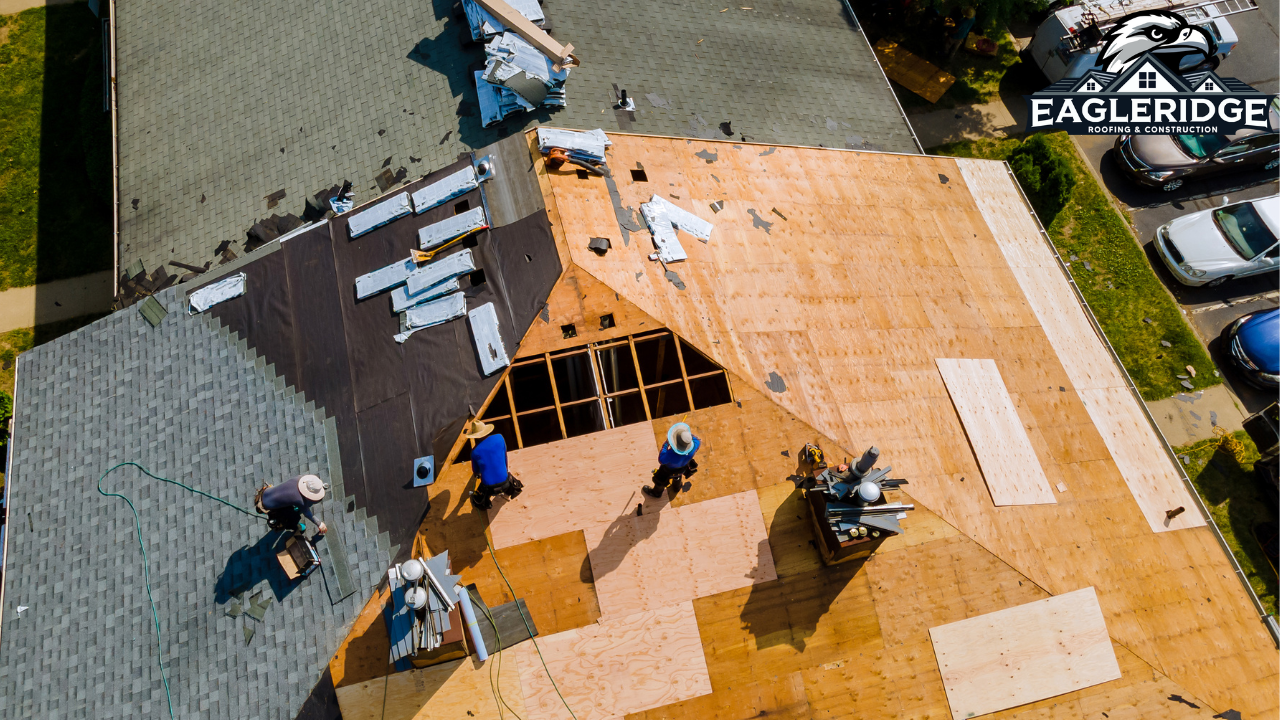
Most Utah homeowners have no idea their roof was hit until a water stain appears on the ceiling months later. By then, hail bruising has already let in water, UV rays have cracked exposed shingles, and winter freeze-thaw cycles have opened up structural damage that a simple early repair could have stopped. Early detection of roofing issues in Utah homes is the difference between a covered insurance claim and a bill you pay out of pocket.
Call EagleRidge Roofing at (801) 784-1457 for a free post-hailstorm inspection, we’ll document everything you need for a successful Utah insurance claim.
Why Utah Is One of the Most Hail-Prone States in the US
The Wasatch Front sits in a geography that produces frequent, high-intensity convective storms every spring and summer. Storms build rapidly over the mountains and descend fast into densely populated valley communities, leaving homeowners in Salt Lake City, Utah County, Davis County, and Weber County with little warning before hail starts falling. In the most severe recorded Wasatch Front events, hailstones have exceeded 2 inches in diameter.
The communities hit most consistently include the Salt Lake Valley, Utah County cities like Provo, Orem, Lehi, Spanish Fork, and Springville, Davis County communities like Layton and Kaysville, and Weber County areas including Ogden and Clearfield. Hail damage claims are among the most common homeowners insurance claims filed in Utah each year, and the majority go undetected until damage is severe.
Utah hail risk facts:
- The Wasatch Front sees 15–20 hailstorms per year
- Hailstones have exceeded 2 inches in diameter in severe Wasatch Front events
- Spring and early summer are peak hail season, May through September
- Salt Lake Valley, Utah County, Davis County, and Weber County are most frequently impacted
- Hail damage claims are among the most common homeowners insurance claims filed in Utah each year
Contact EagleRidge Roofing for a free post-hailstorm roof inspection across the Wasatch Front.
How Hail Damages Different Roofing Materials
Hail doesn’t damage every roof the same way. The material on your roof determines what kind of damage to look for, and how quickly it turns into a serious problem.
Hail Damage to Asphalt Shingles
Asphalt shingles are the most hail-vulnerable common roofing material. When a hailstone strikes, it dislodges the protective granule layer at the point of contact, leaving circular bald spots that open the asphalt mat directly to UV exposure and water infiltration. The mat bruising beneath that granule loss is often more damaging than the surface itself, a bruised shingle mat loses structural integrity and begins to crack and delaminate within one to three Utah winters.
Standard asphalt shingles can show functional damage from hailstones as small as 1 inch. That means even moderate Wasatch Front storms that feel minor can cause insurance-eligible damage across an entire roof. If you want to understand how different shingle types respond to Utah’s full range of weather stress, a guide to asphalt shingle roofs in Utah covers the full picture.
Asphalt shingle hail damage signs:
- Circular bald spots or dark bruising on the shingle surface
- Granule accumulation in gutters or at downspout discharge points immediately after the storm
- Soft spots detectable under thumb pressure at impact sites
- Cracked or split shingles in areas of direct impact
- Visible shingle surface cratering when inspected up close
Hail Damage to Metal Roofing
Metal roofing holds up far better than asphalt in most Utah hailstorms, but high-intensity Wasatch Front events can still dent standing seam panels, metal shingles, and corrugated sections at impact points. Class 3 and Class 4-rated metal panels absorb and disperse hail energy far more effectively than standard products, Class 4-rated panels can resist damage from 2-inch hailstones under UL 2218 testing. For a deeper comparison of how metal stacks up against asphalt under Utah’s specific storm and temperature conditions, see comparing metal and asphalt shingles for Utah weather conditions.
Cosmetic denting on Class 3 or 4 metal roofing typically does not compromise waterproofing performance. It should still be documented for insurance purposes after any severe Wasatch Front storm event.
Metal roof hail damage signs:
- Circular dents on panel surfaces (cosmetic, but insurance-documentable)
- Damaged or dented ridge cap or flashing sections
- Scratched or chipped paint coating at impact points
- Standing seam joint separation in extreme impact events
Hail Damage to Tile and Slate Roofing
Clay tile and slate are brittle materials that can crack, chip, or fracture when struck directly by hail. A fractured tile may remain in position while water works its way through the break during the next rainfall or snowmelt, creating active leak points that are completely invisible from the ground. Professional inspection after any significant Wasatch Front hailstorm is a necessity for tile and slate roof owners. Cracked tiles left unrepaired through a Utah winter invite serious structural water damage through repeated freeze-thaw cycles. For tile-specific maintenance concerns, keeping your roof strong with tile repair in Farmington is a useful reference.
Tile and slate hail damage signs:
- Visible cracks or chips on tile surfaces
- Tile fragments in gutters or on the ground around the home
- Discolouration or dark patches indicating water absorption at crack sites
- Loose tiles detectable by sound when tapped (hollow response vs. solid)
Get your free hail damage inspection from EagleRidge, we inspect all roofing material types across Salt Lake City, Provo, Orem, and the full Wasatch Front.
How to Detect Hail Damage on Your Utah Roof
The first rule: don’t climb up. You can gather a lot of useful information from the ground, and a licensed roofer handles everything that requires physical roof access.
Ground-Level Warning Signs (What Homeowners Can Check)
You don’t need to get on your roof to know it was hit. Metal surfaces around your home absorb hail impact just as clearly as shingles, and they’re easy to inspect from the ground.
- Dented gutters and downspouts: If your metal gutters show fresh dent patterns after a storm, your roof almost certainly sustained damage. This is the most reliable proxy indicator available from ground level. Proper gutter maintenance also plays a direct role in protecting your roof from cascading water damage after a hail event.
- Dented AC condenser or HVAC equipment: A condenser that shows fresh dents after a storm is strong evidence that hail was heavy enough and forceful enough to damage roofing materials above.
- Granules in gutters and at downspout discharge: A sudden volume of gritty, sand-like granule material collecting after a storm indicates shingle surface impact across the roof.
- Dented siding or window frames: If exterior siding shows fresh impact marks, hail was large and forceful enough to have caused meaningful roof damage.
What Only a Professional Inspection Can Confirm
Hail bruising on asphalt shingle mats is invisible from the ground. It requires close-up professional inspection to identify the soft, spongy impact zones beneath granule loss, the kind of damage that opens up into leaks within a year. Individual tile cracks and metal panel micro-dents are equally undiscoverable from street level.
Insurance adjusters often underestimate hail damage on initial visits, especially on Class 4 shingle roofs where damage is subtler. Having a licensed Utah roofer present during the adjuster assessment significantly improves claim accuracy and the final payout you receive. The value of professional roof inspections post-storm in Utah explains exactly what a qualified inspector looks for that adjusters typically miss.
For a broader overview of what to look for before and after storms, see early detection of roofing issues in Utah homes.
What Happens If You Ignore Hail Damage on a Utah Roof
Hail damage doesn’t stay the same size. Every season that passes without repair makes the problem bigger and more expensive.
- Accelerated UV degradation: Granule loss at hail impact sites exposes the asphalt mat directly to Utah’s high-elevation UV. Within one summer season, bruised shingles begin to crack and dry out. What hail, UV rays, and heat really do to your roof over time covers how these forces compound across seasons.
- Water infiltration and leaks: Cracked shingles develop into active leak points during subsequent rain or snowmelt, typically appearing as ceiling stains 6–18 months after the original hailstorm. Knowing how to spot roof leaks early in your Utah home can help you catch these before they become structural problems.
- Freeze-thaw amplification: Water that penetrates hail-damaged shingles and enters the roof deck freezes in Utah’s winters. Repeated freeze-thaw cycles expand micro-cracks into structural deck damage that far exceeds the original repair cost. How Utah’s weather affects your roof over time covers this seasonal damage cycle in detail.
- Expired insurance claim window: Utah homeowners insurance policies typically require claims to be filed within 6–12 months of the damage event. Waiting until leaks appear often means the window has already closed.
- Loss of insurance eligibility: A roof with documented prior hail damage that was left unaddressed may be excluded from coverage in future claims, or face reduced insurability at policy renewal. Understanding roofing insurance coverage in Utah is worth reviewing before you file.
Don’t wait, contact EagleRidge Roofing for a free hail damage inspection before your Utah insurance claim window closes.
What to Do Immediately After a Hailstorm in Utah
Act fast. The steps you take in the first 24–72 hours after a Wasatch Front hailstorm directly affect your insurance claim outcome. Here’s exactly what to do:
- Stay safe. Do not attempt to walk on your roof during or immediately after a hailstorm, wet, iced, or freshly impacted surfaces are serious fall hazards. Review roof safety measures in Utah before any post-storm ground-level walk-around.
- Document from the ground. Take photos of dented gutters, AC units, siding, and any visible roof surface damage immediately after the storm while conditions are fresh.
- Save weather records. Note the storm date, time, and your address. You can pull official hail event data from NOAA’s Storm Events Database for your area, insurance companies require documented proof that the storm occurred.
- Get a professional inspection before calling your insurer. An EagleRidge inspection report gives you independent, documented evidence of all damage before an adjuster ever visits. This protects your claim from being minimised at first review.
- Schedule your free EagleRidge hail damage inspection. EagleRidge provides free post-storm roof inspections across the Wasatch Front, including high-resolution photo documentation and a written damage report formatted specifically for insurance claims. See how we revived a roof after hail damage in Orem for a real example of what that inspection and repair process looks like.
- Avoid storm-chaser contractors. Door-to-door contractors showing up immediately after Wasatch Front hailstorms are often out-of-state operators without a Utah S210 license. Selecting a roofer after a hailstorm in Utah covers exactly what to check before signing anything, including how to identify and avoid roofing scams in Utah.
- File your claim promptly. Utah homeowners insurance policies typically require filing within 6–12 months, do not delay once you have your inspection report in hand.
Navigating the Utah Roof Insurance Claim Process for Hail Damage
The insurance process after a hailstorm has real pitfalls, knowing the basics before you file keeps your claim from being shortchanged.
Coverage types Utah homeowners should understand:
- RCV (Replacement Cost Value): Pays to replace your damaged roof at today’s material and labor prices. This is the better policy for Utah homeowners, especially after a full hail event.
- ACV (Actual Cash Value): Pays replacement cost minus depreciation. Older roofs receive significantly less, sometimes not enough to cover a full replacement.
- Ordinance and Law Coverage: Covers code-required upgrades during a hail claim repair or replacement. In Utah, this can include ice and water shield requirements, Class 4 material mandates, or ventilation upgrades that standard ACV or RCV policies won’t cover without this rider. Ice and water shield requirements for Utah roofs explains when this becomes a code-required upgrade during a claim.
Key claim process steps:
- Get an independent EagleRidge inspection and written report before the adjuster visit
- Have your EagleRidge contractor present during the adjuster’s assessment, professionals identify functional damage adjusters commonly miss on-site
- Review the adjuster’s scope carefully, if it undervalues the damage, request a supplemental inspection
- Do not accept a cash settlement Continuing from where the article was cut off:
- Do not accept a cash settlement until your contractor has confirmed the payout covers the full repair or replacement scope
- File within the 6–12 month window, do not let the deadline pass while waiting for an adjuster to reschedule
For a full breakdown of what Utah homeowners need to know about roof warranties and coverage terms before and after a hail claim, see roofing warranties, what’s covered and what’s not and understanding the fine print of roof warranties in Utah. If financing a repair or replacement becomes necessary after a claim shortfall, financing options for major roofing projects in Utah covers what’s available to Wasatch Front homeowners.
EagleRidge Roofing provides full insurance documentation support, free hail damage assessment, written report, and adjuster support across the Wasatch Front.
How to Protect Your Utah Roof from Future Hail Damage
After a hail event, the smartest move is making sure the next storm doesn’t cost you the same way.
Upgrade to Class 4 impact-resistant shingles. Class 4 UL 2218-rated shingles resist damage from hailstones up to 2 inches, the single most effective upgrade Wasatch Front homeowners can make to reduce hail damage exposure. Many Utah insurance carriers offer premium discounts of 20–30% for homes with Class 4 impact-resistant roofing, which significantly improves the return on the upgrade cost over time. Impact-resistant shingles, worth the investment in Utah breaks down the cost-benefit analysis in detail. You can also review how roofing choices influence home insurance rates in Utah to understand exactly how a Class 4 upgrade affects your annual premium.
Consider metal roofing. Class 4-rated metal roofing panels provide the highest available level of hail protection for Utah homes, and they eliminate the granule loss mechanism that makes asphalt so vulnerable to repeat storm damage. For a full breakdown of how metal and asphalt perform under Utah’s specific storm and temperature conditions, see comparing metal and asphalt shingles for Utah weather conditions.
Protection strategies at a glance:
- Install Class 4 UL 2218-rated shingles, resist hailstones up to 2 inches, unlock insurance discounts
- Upgrade to Class 4-rated metal roofing for maximum hail resistance and longevity
- Schedule biannual EagleRidge inspections every spring and fall to catch storm damage before the claim window closes
- Add Ordinance and Law coverage to your homeowners policy before the next hail season
- Prepare your roof for Utah’s spring showers every year before peak hail season begins
- Plan roofing projects around Utah’s weather patterns to time replacements and repairs outside the hail window
For full guidance on material selection for Utah’s climate, visit understanding the best roofing materials for Utah’s climate. To understand how UV exposure at Utah’s high elevation compounds hail damage over time, see combating UV damage with the right roofing materials for Utah’s high UV index.
EagleRidge Roofing, Utah’s Hail Damage Specialists
EagleRidge Roofing is Utah’s trusted hail damage inspection and repair contractor, serving Salt Lake City, West Valley City, Provo, Orem, Sandy, West Jordan, Draper, Lehi, Spanish Fork, Springville, South Jordan, Murray, Taylorsville, Ogden, Layton, Millcreek, Holladay, Herriman, Park City, and Heber City, and the full Wasatch Front.
When hail hits your neighborhood, EagleRidge gives you the professional documentation and contractor support you need to protect your roof and your insurance claim, with no upfront cost for the inspection. See real examples of our hail damage work: restoring a roof with hail-damaged shingles, hail damage assessment and roof inspection in Orem, roof inspection report with wind and hail damage found in Salt Lake City, and the replaced hail and wind-damaged roof in Syracuse, Utah.
EagleRidge hail damage services:
- Free post-hailstorm roof inspections across the Wasatch Front
- High-resolution photo damage documentation for insurance claims
- Written inspection reports formatted for insurance adjuster review
- Adjuster appointment support, EagleRidge roofer present during insurance assessment
- Hail damage shingle repair and replacement
- Class 4 impact-resistant shingle installation for future storm protection
- Full roof replacement following qualifying hail events
- Metal roofing installation for maximum hail resistance, including standing seam metal roof options
- EagleRidge Peak Protection Plan, biannual spring and autumn inspections, as delivered to homeowners like those in Mapleton and South Jordan
Contact EagleRidge Roofing or call (801) 784-1457 for a FREE hail damage inspection today, don’t let the insurance claim window close before you act.
Frequently Asked Questions
How do I know if my Utah roof has hail damage if I can’t see anything from the ground?
The most reliable ground-level proxy is your gutters and AC condenser. If your metal gutters show fresh circular dents after a storm, your roof almost certainly absorbed the same impact, metal surfaces record hail hits clearly. Granule accumulation at your downspout discharge is a second key indicator: a sudden surge of gritty material after a storm means shingle surfaces were struck across the roof. Because shingle mat bruising is invisible from street level, a professional inspection is the only way to confirm functional damage. You can also pull official storm records from NOAA’s Storm Events Database to verify that a documented hail event occurred over your address on the date in question.
How long do I have to file a roof insurance claim after a hailstorm in Utah?
Utah homeowners insurance policies typically require claims to be filed within 6–12 months of the damage event, though some carriers allow as little as 30 days or as long as two years depending on the specific policy language. Waiting until you see a leak almost always means the claim window has expired, and by that point, freeze-thaw damage has compounded the original hail impact into a much larger repair scope. The safest approach: get a professional inspection within days of any significant Wasatch Front storm, and file your claim promptly once you have the inspection report in hand.
Will Class 4 impact-resistant shingles actually lower my Utah homeowners insurance premium?
Yes, many insurance carriers offer premium discounts for homes with Class 4 UL 2218-rated roofing, and in hail-prone states the discounts are typically in the 20–30% range. Because Utah sits in a high-hail-frequency zone on the Wasatch Front, carriers recognize Class 4 shingles as a meaningful risk reduction that justifies lower annual premiums. Before installing, confirm with your specific insurer what documentation they require, typically a manufacturer’s certification and contractor invoice confirming the Class 4 product was installed. Over a standard roof lifespan, the accumulated premium savings often offset the cost difference between standard and Class 4 shingles.
What’s the difference between functional hail damage and cosmetic hail damage on a Utah roof?
Functional hail damage compromises the roof’s ability to keep water out, cracked shingles, displaced granules exposing the mat, fractured tiles, or seam separations that allow water infiltration all qualify. Cosmetic hail damage affects appearance only, a dent in a metal panel that hasn’t broken through the coating or compromised waterproofing is an example. Utah insurance policies typically cover functional damage under a standard hail claim, while cosmetic-only damage may be excluded depending on policy terms. The distinction matters because adjusters sometimes classify borderline damage as cosmetic to reduce payout, a licensed roofer present during the adjuster visit can dispute that classification on-site with photographic and physical evidence.
Call EagleRidge Roofing at (801) 784-1457 for a free post-hailstorm inspection, we’ll document everything you need for a successful Utah insurance claim.