A homeowner’s guide to staying ahead of hidden roof damage
Utah weather doesn’t ease into changes; it jumps.
A sunny morning can turn into a windy afternoon. A warm day can freeze overnight. Snow can melt, refreeze, and disappear all within 24 hours.
And while these shifts feel normal to us…
Your roof experiences every temperature swing, every gust of wind, and every drop of moisture.
The best way to protect your home is simple:
Monitor your roof after weather changes — even small ones.
Here’s exactly what homeowners should watch for, why it matters, and how EagleRidge Roofing & Construction can help prevent minor issues from turning into costly repairs.
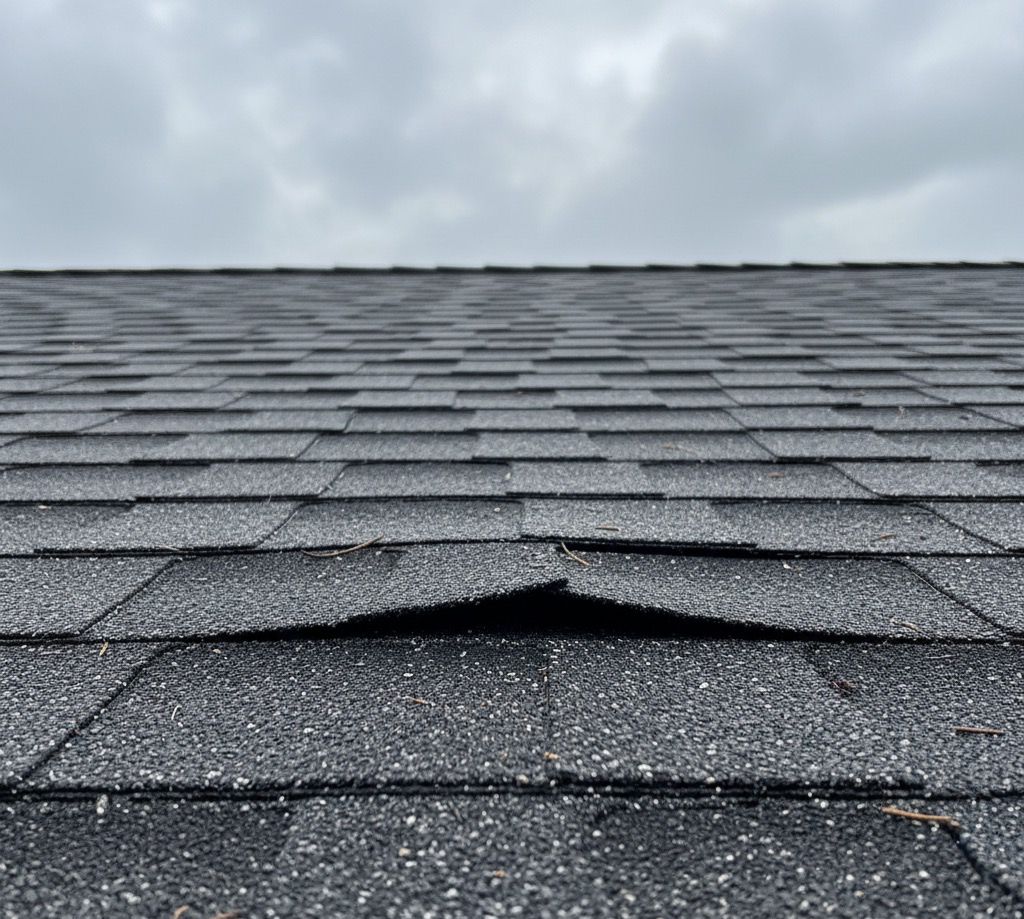
1. Look for Lifted, Shifted, or Creased Shingles
Wind and fast temperature drops can loosen shingles around the nail line.
If you see: edges lifted, corners bent, shingles that look “out of place”, lines that used to be straight now look uneven
That’s your first sign that the weather may have weakened the roofing system.
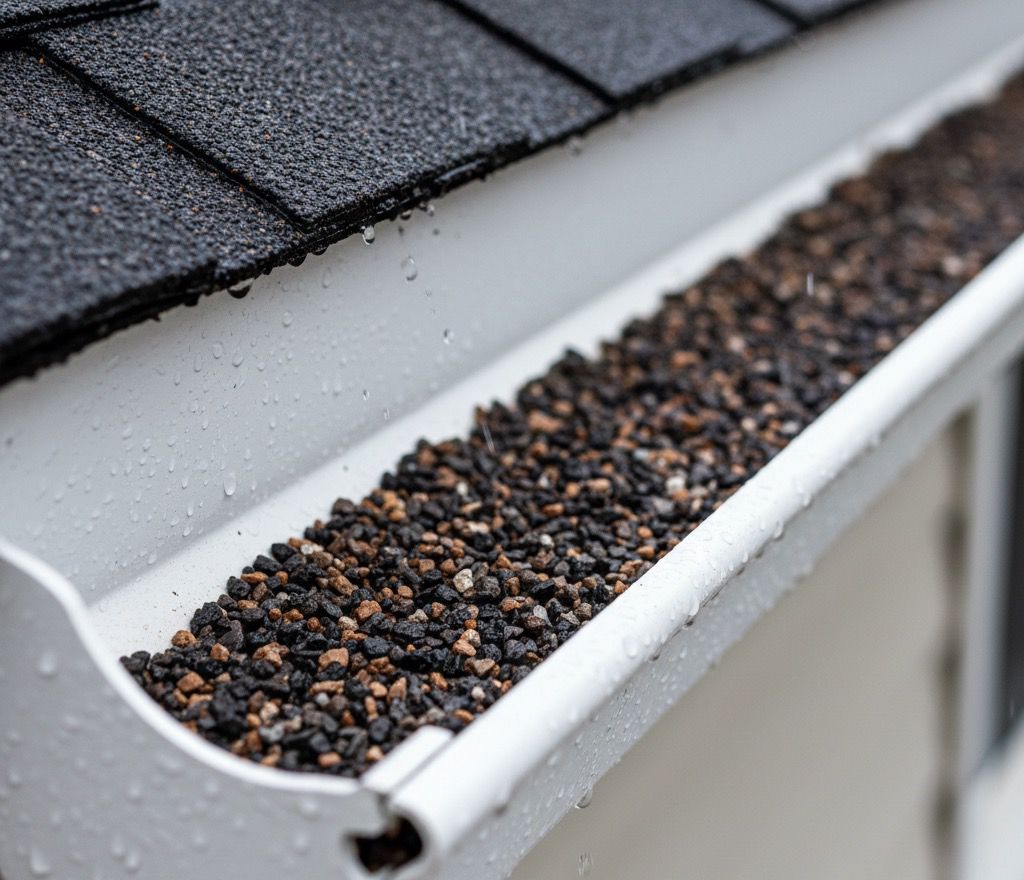
2. Check Your Gutters for Loose Granules
Granules = the protective layer on asphalt shingles.
After big rain or sudden heat-cool cycles, check your gutters and downspouts.
If you find a lot of granules, it means your shingles are wearing down faster than normal.
Granule loss can expose the shingle mat, and once that happens, leaks can develop quickly.
3. Inspect Flashing Around Chimneys, Vents & Walls
Flashing is one of the FIRST areas to fail after weather shifts.
If flashing becomes bent, lifted, separated, rusted, or loosely sealed, water can slip behind it and move into the attic or walls.
Even small flashing gaps can create major interior damage if ignored.
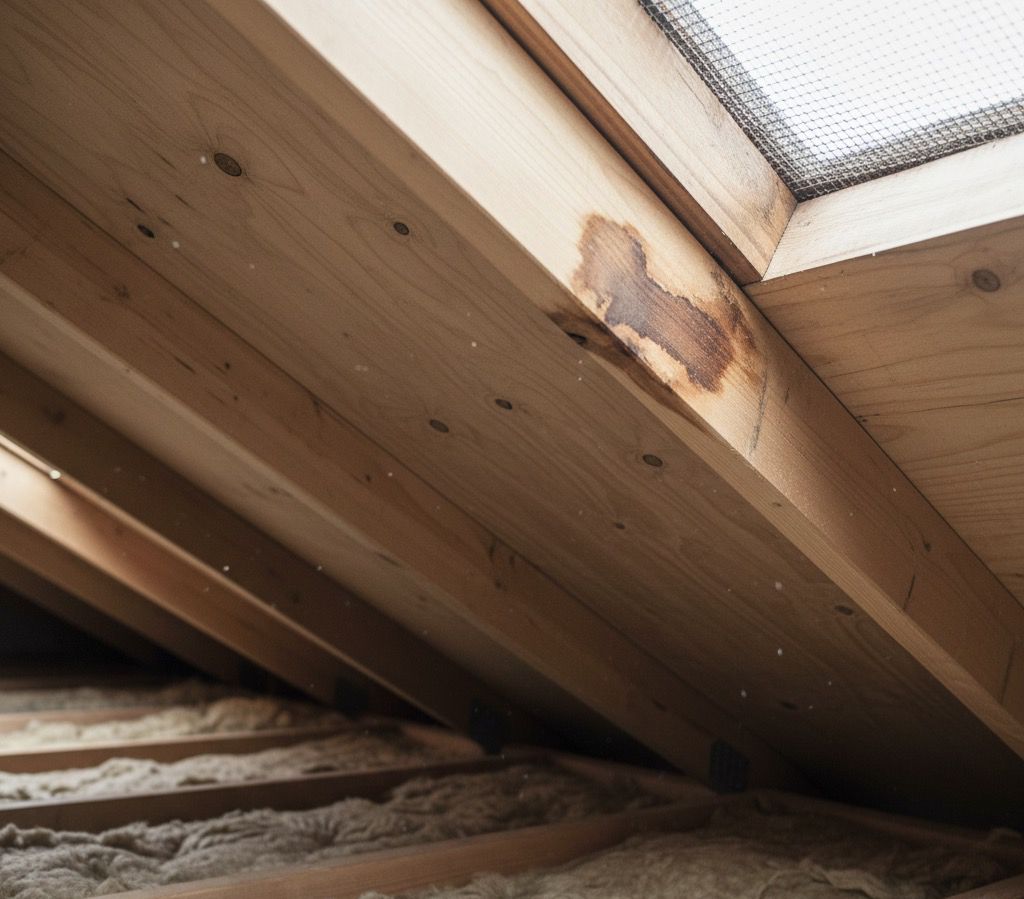
4. Look Inside Your Attic for Early Moisture Signs. Your attic tells the truth before your ceiling does.
Check for: dark or damp wood, musty smells, wet insulation, frost buildup after cold nights, moisture around vents
These signs often appear after rapid weather changes when condensation increases or water sneaks in from the roof.
5. Watch for New Stains on Ceilings or Walls
Water stains are usually the last sign of a roof problem, not the first. If discoloration appears after rain, snow melt, or freezing nights, the roof may already be compromised.
Why Monitoring After Weather Shifts Matters
Small weather-related issues can quickly escalate into attic mold, soaked insulation, damaged drywall, weakened roof decking, higher energy bills, and unexpected leaks during storms
Catching problems early keeps repairs simple and affordable and extends your roof’s lifespan.
How EagleRidge Roofing & Construction Can Help
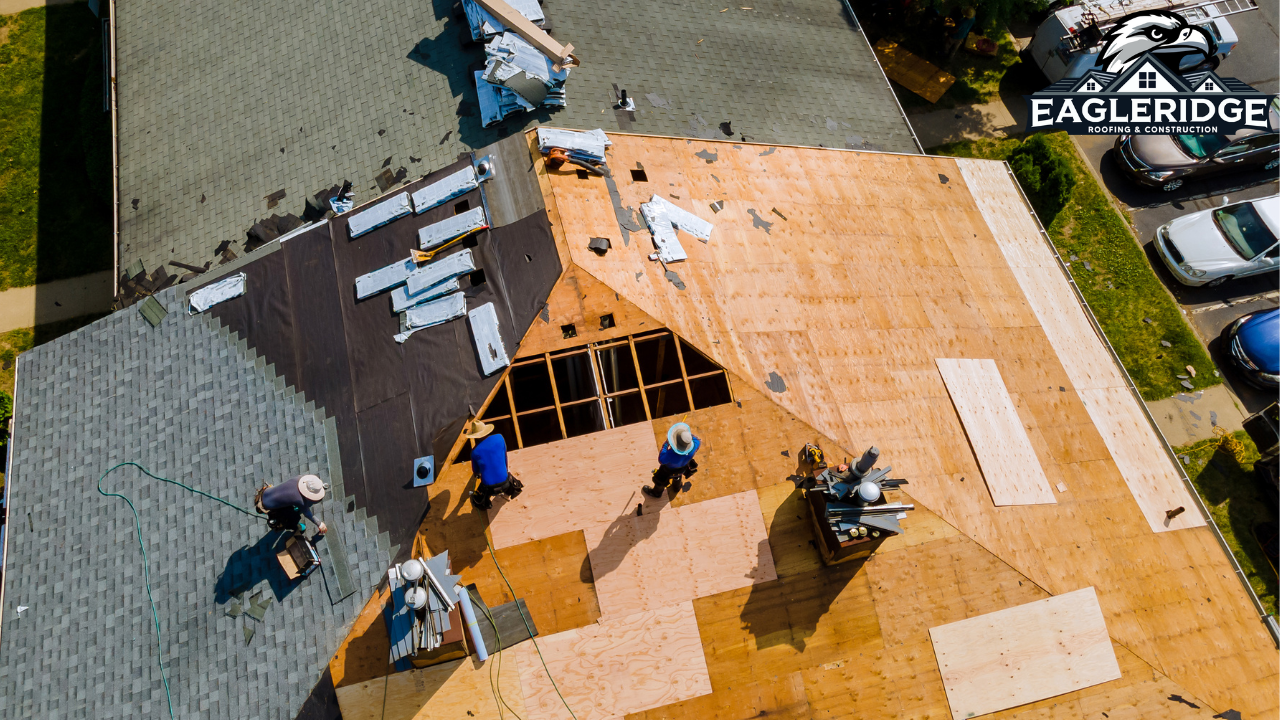
You don’t have to climb the roof or guess what’s happening, that’s what we’re here for.
We offer:
✔ Free roof inspections
✔ Clear photo documentation
✔ Honest recommendations
✔ Weather-related roof assessments
✔ Repair and replacement options
✔ Preventative maintenance before damage spreads
Whether it’s wind, rain, heat, or overnight freezes, we know how Utah weather impacts every type of roof.
Worried Your Roof Might Have Taken Weather Damage?
If your area recently experienced wind, storms, hard freezes, or rapid temperature swings, a quick inspection could save your home from bigger issues.
📞 Schedule your FREE inspection today.
Let our EagleRidge team protect your home before the next weather shift hits.
👉 Visit: eagleridgepros.com
#UtahRoofExperts #RoofMaintenance #WeatherDamageTips #RoofInspectionUtah #HomeProtection #EagleRidgeRoofing #RoofCareGuide