Roof pitch is a measure of a roof’s steepness, expressed as the ratio of its vertical rise to horizontal span. In Utah, understanding roof pitch is vital to withstand the state’s varied climate. Heavy snowfall in mountainous areas requires roofs with pitches that effectively shed snow, preventing excessive weight and potential structural damage. Conversely, flatter roofs may be suitable for areas with intense sunlight and minimal snowfall, optimizing energy efficiency. Proper roof pitch also affects materials, construction methods, and overall building aesthetics. A correctly chosen roof pitch guarantees durability and enhances the property’s value, setting the stage for further insights.
Contact EagleRidge Roofing or call (801) 784-1457 for free roof inspections today.
What Exactly Is Roof Pitch?
Roof pitch describes the angle or steepness of your roof. It is measured as a ratio of vertical rise to horizontal run. A 4:12 pitch, for example, means the roof rises four inches for every twelve inches it runs horizontally. This simple ratio tells you how quickly water or snow will move off the surface.
A low pitch creates a flatter appearance while a higher pitch gives a more dramatic look. The measurement affects everything from how the roof looks to how it performs under load. In practice, pitch determines drainage speed and influences the type of materials that work best. Steeper pitches naturally encourage faster runoff, which matters a lot in places where moisture can freeze quickly.
How to Measure Roof Pitch on Your Home?
Measuring roof pitch takes basic tools and a safe approach. Start by finding a spot where you can access the roof edge or use a ladder safely. Place a level twelve inches long against the roof surface and measure the vertical distance from the level to the roof at the end of that twelve-inch span. That vertical number becomes the rise in your ratio.
You can also use a pitch gauge or smartphone app designed for roof measurements. For accuracy, take readings at several points because some roofs have slight variations. If the roof feels too steep or access seems unsafe, leave the task to trained crews who handle these measurements daily. Knowing your exact pitch helps when selecting replacement materials or planning repairs.
Common Roof Pitch Types and Their Uses
Roof pitches fall into three main groups. Low-slope pitches stay under 4:12 and appear almost flat. These work well for modern designs or certain commercial structures but require special drainage systems. Moderate pitches range from 4:12 to 9:12 and appear on many single-family homes because they balance looks, cost, and function. Steep pitches go above 9:12 and create sharp angles that stand out on traditional or mountain-style homes.
Each type fits different architectural needs. Low-slope options suit additions or garages while moderate pitches handle everyday residential use. Steep pitches shine in areas that see frequent snow because they promote quick shedding. Your home’s style, local building rules, and climate all guide which pitch makes the most sense.
The Role of Roof Pitch in Drainage and Protection
Pitch controls how fast water leaves the roof surface. A steeper slope moves rain away quickly and lowers the risk of standing water or ice dams. Even light rain can pool on flatter roofs if the slope lacks enough angle, leading to leaks over time. Proper pitch also reduces stress on the structure by preventing heavy buildup of water or debris.
In addition to drainage, pitch affects ventilation and heat flow. Steeper designs often allow better airflow in the attic, which keeps the home cooler in summer and reduces moisture problems. Good pitch choices support longer roof life by limiting exposure to constant moisture.
Why Does Roof Pitch Matter More in Utah’s Climate?
Utah’s weather brings heavy snow in many mountain and valley areas along with freeze-thaw cycles that create ice. Steeper pitches help roofs shed snow more effectively, which keeps extra weight from pressing down on the structure. Flatter roofs can hold snow longer and increase the chance of ice forming along edges or in valleys.
Local conditions vary by elevation, so pitch choices need to match the specific area. Homes in higher spots often benefit from increased slope to handle winter loads, while valley homes focus on quick rain runoff during storms.
The right pitch also works with ice and water shields and proper ventilation to prevent hidden damage that shows up later. Many Utah homeowners upgrade pitch during replacements to better match these patterns and avoid repeat issues after big weather events.
Roof Pitch and Energy Efficiency in Utah Homes
Proper pitch supports better attic ventilation and reduces heat buildup in summer. Steeper slopes create more space for insulation and airflow, which helps keep energy bills lower year-round. Good pitch also works with reflective materials to bounce summer heat away from the house.
In winter, the slope limits ice dam formation that can raise heating costs through leaks or poor insulation. Many Utah homes see noticeable comfort improvements after adjusting pitch and adding modern ventilation during a replacement.
How Does Roof Pitch Influence Roofing Material Choices?
Different materials perform best at certain pitches. Asphalt shingles usually need at least a moderate slope to seal properly and shed water. Metal roofing systems work across a wider range of pitches and often pair well with steeper designs because they slide snow off cleanly. Membrane systems like TPO suit low-slope or flat sections where drainage channels direct water to scuppers.
Choosing materials without considering pitch can lead to early wear or warranty problems. A steep roof might favor standing-seam metal for its clean lines and durability while a moderate pitch supports high-quality shingles that resist wind uplift. Always match the material to the measured pitch so the system works as intended from day one.
The Connection Between Pitch, Structure, and Building Codes
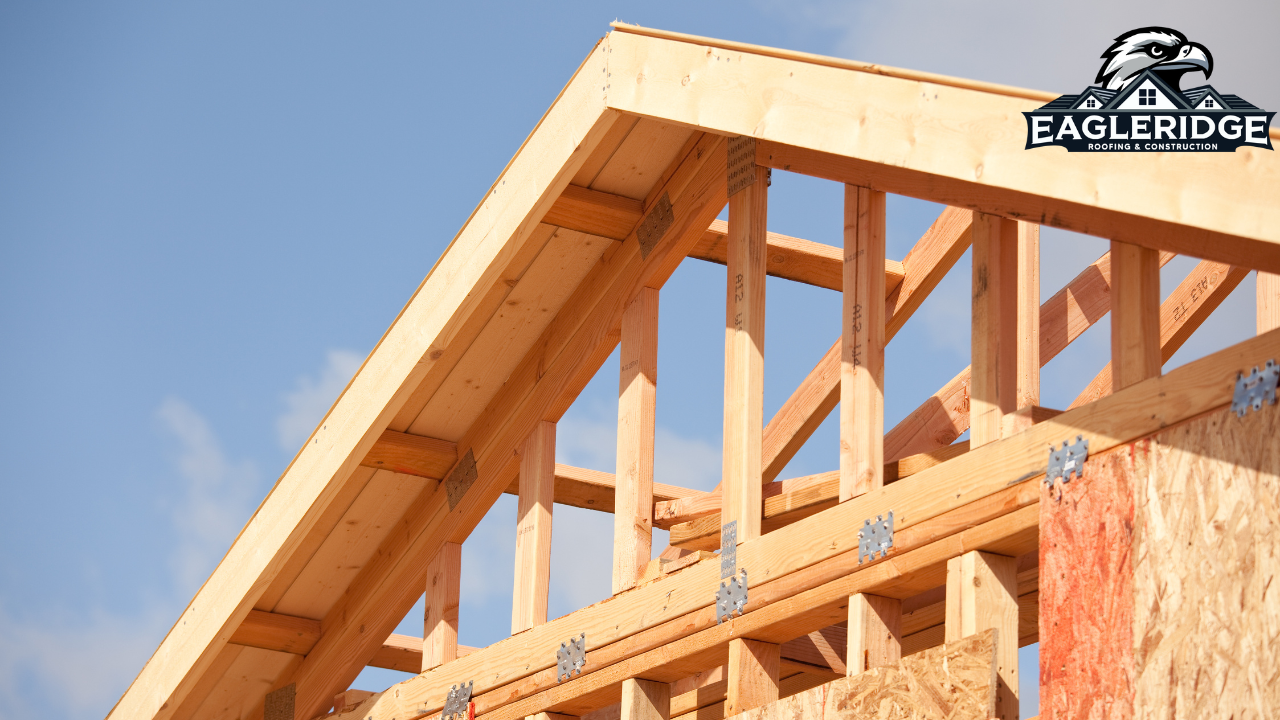
Pitch affects the framing and support needed under the roof. Steeper designs may require stronger rafters or trusses to handle the angle, while lower pitches spread loads differently. Local codes in Utah consider these factors along with expected weather to ensure the roof stays safe and stable.
When planning a new roof or major repair, the pitch must align with structural calculations and any neighborhood guidelines. This step prevents future issues and keeps the home compliant. Professional installers factor pitch into every design so the finished roof meets both code and performance goals.
Impact of Roof Pitch on Installation and Long-Term Maintenance
Installation complexity changes with pitch. Steeper roofs demand more safety measures and skilled crews, which can raise labor time but often result in better drainage systems. Flatter roofs install faster in some cases yet need precise sealing to avoid leaks.
Maintenance also varies. Steeper pitches may need less frequent cleaning because debris slides off, while lower pitches can collect leaves or snow that require regular checks. Routine inspections catch small problems early regardless of slope, and proper pitch supports easier access for repairs when needed. Pairing the right pitch with quality materials cuts down on future service calls.
Selecting the Best Roof Pitch for Your Utah Property
Start by reviewing your current pitch and how the roof has performed through recent seasons. Consider your home’s style, the surrounding neighborhood, and any plans for future additions. Higher pitches often improve snow management in snowy zones while moderate pitches keep costs reasonable for standard homes.
Talk with experienced local teams about options that fit your lot and elevation. They can show examples of completed projects and explain how different slopes perform in similar homes. The goal is a pitch that looks good, sheds moisture effectively, and supports the materials you prefer.
For a closer look at how pitch compares in flat roof versus pitched roof designs common across Utah, many homeowners find the details help them decide on upgrades.
When to Consider a Roof Pitch Adjustment?
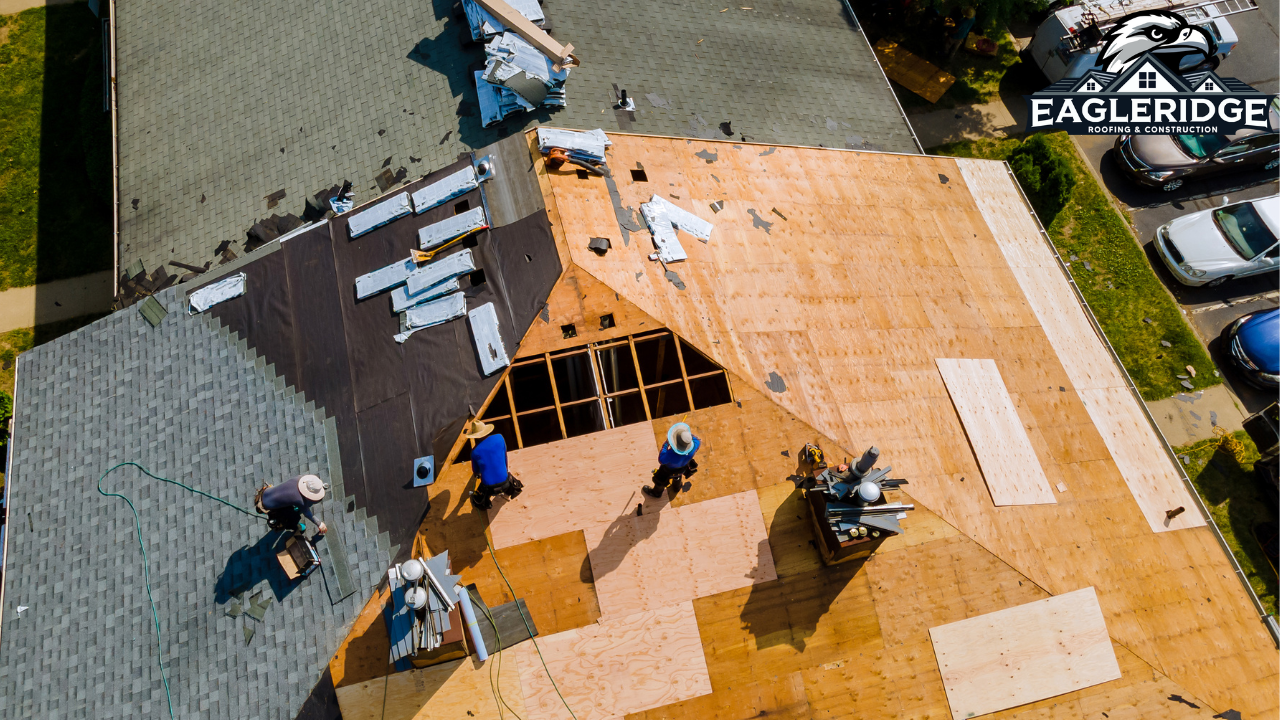
Signs that pitch may need attention include frequent leaks after snow, pooling water on flat sections, or ice dams along eaves. Older homes sometimes have pitches that no longer match current weather patterns or updated codes. During a full replacement, crews can sometimes modify the slope to improve performance without changing the entire footprint.
Professional assessment catches these opportunities early. An on-site review shows whether a small adjustment would bring big benefits in drainage and durability.
| Roof Pitch Type | Rise per 12 Inches of Run | Typical Utah Applications | Key Benefits in Local Weather |
| Low-Slope | Under 4 inches | Modern additions, garages, commercial sections | Easier installation, clean lines, works with membrane systems |
| Moderate | 4 to 9 inches | Most single-family homes, standard residential roofs | Balanced drainage and cost, suits shingles and metal alike |
| Steep | Over 9 inches | Mountain homes, traditional designs | Faster snow shedding, strong water runoff, enhanced attic space |
This table gives a quick reference for common pitches and how they align with Utah conditions. Use it to compare options when planning your next project.
Maintaining Your Roof Based on Its Pitch
Regular checks keep any pitch performing well. After heavy snow, inspect for ice buildup or shifted shingles. Clear gutters and valleys to maintain flow. Steeper roofs may need less hands-on cleaning, but all roofs benefit from biannual reviews that catch small issues before they grow.
Team up with local experts who know Utah weather patterns. Their maintenance plans include pitch-specific checks that extend roof life and protect your investment.
Choosing the Best Roofing Service in Utah – EagleRidge

About Us
EagleRidge Roofing & Construction is a family-owned and operated business with over 25 years of experience serving the Wasatch Front. We specialize in both residential and commercial roofing, as well as comprehensive remodeling and construction services. Our commitment to quality craftsmanship and customer satisfaction has made us a trusted name in Utah. Learn more about our journey and expertise in our blog.
Our Services
We offer a wide range of services tailored to meet your needs. Explore our detailed roofing services or check out specific projects like our new roof installation in Pleasant Grove.
Residential Roofing
- New roof installations
- Roof repairs and maintenance
- Roof replacements
- Storm damage assessments and repairs
- Gutter installation and repair
- Soffit and fascia installation and repair
- Siding installation and repair
- Ventilation solutions, including attic and roof ventilation
- Swamp cooler installations and removal
- Sealing and caulking to enhance energy efficiency and weatherproofing
- Ice and water shield installation
- Shake shingle sealing and treatment
- Installation and maintenance of all types of shingles
Commercial Roofing
- Commercial roof installation and replacement
- Preventative maintenance programs
- Flat roof repair and installation
- Metal roofing systems
- TPO, EPDM, and other membrane roofing systems
- Roof coatings to extend roof life
- Soffit and fascia services for commercial buildings
- Siding installation and maintenance for commercial properties
- Ventilation solutions for commercial buildings
- Swamp cooler installations and removal at commercial sites
- Commercial-grade sealing and caulking
Discover more about commercial options in our post on commercial roofs and snow load challenges in Utah.
Remodeling and Construction
Transform your space with our expert remodeling services. For specialized ideas, visit our kitchen remodeling and basement remodeling pages.
- Kitchen and bathroom remodeling
- Basement finishing and remodeling
- Home additions and extensions
- Custom cabinetry and woodworking
- Flooring installation and repair (tile, hardwood, laminate)
- Painting and wall treatments
- Window and door replacement
- Accessibility modifications (e.g., ramps, widened doorways)
- Historical renovations and restorations
- Water damage restoration and mold remediation
- Fire damage repairs
- Green building and sustainable design solutions
- Roof and home energy audits
- Consultation and design services
See a real example in our full home remodel underway in Murray, Utah.
Why Choose EagleRidge?
Here’s why we’re the top choice for roofing and remodeling in Utah:
- 25+ Years of Experience: This isn’t our first roof rodeo. We’ve seen it all, fixed it all, and protected some of the best homes in Utah. Read about the history of roofing styles in Utah architecture.
- Clean, Professional Crews: We respect your home like it’s our own no messes left behind, no corners cut, no sketchy subcontractors.
- Free Inspections + Minor Maintenance: We’ll seal your vents, check your flashings, and send you a photo report for free. Learn more in the value of professional roof inspections post-storm in Utah.
- Real Communication: We call back. We show up. We keep you in the loop. It’s wild, we know.
- One Contractor. All the Services: Roofing. Remodeling. Construction. We handle it all, start to finish no bouncing between companies.
- Locally Owned. Eagle Approved: We’re your neighbors. And yes, we have a pet eagle named Ridge.
- 5-Star Rated Services: Our clients consistently rate us highly for our quality and professionalism.
- Licensed & Insured: We are fully licensed and insured, ensuring peace of mind for our customers.
- Affordable Solutions: Competitive pricing without compromising on quality. Explore financing options for major roofing projects in Utah.
- Emergency Repairs: Available 24/7 to address urgent roofing issues. See our guide on fast and effective emergency tarps for roofs.
- Expert Hail & Wind Damage Repairs: Specializing in storm damage restoration to protect your investment. Check out expert hail & wind damage repairs.
For more insights, read our guide on the truth about heat and shingle longevity or see a project like roofing contractor in Saratoga Springs, UT (84045).
Service Areas
We proudly serve the Wasatch Front and surrounding regions in Utah. Visit our service areas page for more details or click on your city below for localized roofing expertise:
- Salt Lake City
- West Valley City
- Provo
- Orem
- Sandy
- West Jordan
- And surrounding regions, including Layton, Lehi, and South Jordan.
Contact Us
For a free consultation or to schedule a service, call us at (801) 784-1457. You can also visit our website at eagleridgepros.com for more information.
Emergency? Contact us 24/7 at (801) 784-1457
Address: 55 S Wellington Dr., Kaysville, Utah 84037
Protect Your Roof Year-Round with Our EagleRidge Peak Protection Plan
Stay ahead of Utah’s weather with our tailored maintenance plan. Learn about smart roofing maintenance with our Peak Protection Plan in Mapleton, Utah.
Our comprehensive biannual inspections include:
- Spring Check: Post-winter assessment to identify any damage from snow and ice. See tips on prepping your roof for Utah’s spring showers.
- Fall Check: Pre-winter inspection to prepare your roof for harsh conditions.
Preventative maintenance includes caulking and sealing around pipes, vents, and other protrusions, as well as shingle assessments to ensure your roof remains in top condition.
We also provide detailed inspection reports to support insurance claims for wind, hail, and other damages, helping you maximize your policy benefits.
Schedule Your Free Inspection and Design Consultation Today
Call us at (801) 784-1457 or visit our website to book your appointment. For design ideas, explore consultation and design services.
Frequently Asked Questions
What is the difference between roof pitch and roof slope?
Roof pitch uses a ratio like 6:12 to show vertical rise over a fixed horizontal distance while roof slope refers to the overall angle expressed in degrees. Architects often list pitch ratios directly on blueprints because they translate easily into framing lumber lengths and sheathing cuts. Slope angles appear more frequently in engineering load calculations or when software models wind uplift forces. This distinction matters during the permitting process because some Utah municipalities require both formats on submitted drawings to verify compliance with structural standards.
Can I change the pitch on an existing Utah home?
Changing pitch on an existing home usually happens as part of a full roof replacement or major structural remodel that includes raising rafters or adding new framing members. The process begins with a structural evaluation that checks load-bearing walls and foundation capacity before any modifications start. Updated building permits become necessary because the alteration can affect overall house height and may require setbacks review in certain neighborhoods. Once completed, the new slope integrates with fresh underlayment and flashing details tailored to the revised angles.
How does roof pitch affect snow shedding on Utah homes?
Roof pitch works together with surface texture and underlayment type to influence how snow releases from the surface during warmer days or after storms. Smoother finishes combined with adequate slope reduce the adhesive grip that holds snow packs in place and minimize the formation of sliding hazards below eaves. Proper pitch also pairs with heated cable systems or snow guards when the design calls for controlled release rather than sudden dumping.
Does roof pitch impact my choice of metal roofing in Utah?
Metal roofing systems adapt to a broad spectrum of pitches because the standing seam or corrugated profiles create natural water channels that function even on moderate slopes. The material’s thermal expansion properties remain consistent across angles, yet steeper pitches reduce the need for additional seam reinforcements that low-slope installations sometimes require. Color coatings and paint systems perform equally well regardless of pitch when applied correctly, maintaining reflectivity and corrosion resistance through freeze-thaw cycles. Contractors select panel gauge and fastening patterns based on the final slope to optimize wind resistance and long-term panel alignment.
When should I call a professional to check my roof pitch?
Professionals should examine roof pitch whenever visible signs of water intrusion appear along interior ceilings or when exterior ice forms repeatedly in the same locations each winter. An on-site measurement also makes sense before any planned addition or remodel that could alter drainage paths around the house. Experienced crews use specialized tools to confirm existing ratios and compare them against current code expectations for the specific elevation and exposure. Their assessment includes checking how the pitch interacts with existing vents, chimneys, and valley flashings that may need adjustment.
Contact EagleRidge Roofing or call (801) 784-1457 for free roof inspections today.